In This Guide
If you're already donating plasma for extra cash, you might be wondering — are there other ways to get paid for what your body can offer? Sperm donation is one of the most talked-about alternatives. Here's how the two stack up on pay, time, eligibility, and everything else that matters.
The Short Answer: Sperm Donation Pays More Per Hour
Let's cut straight to the numbers.
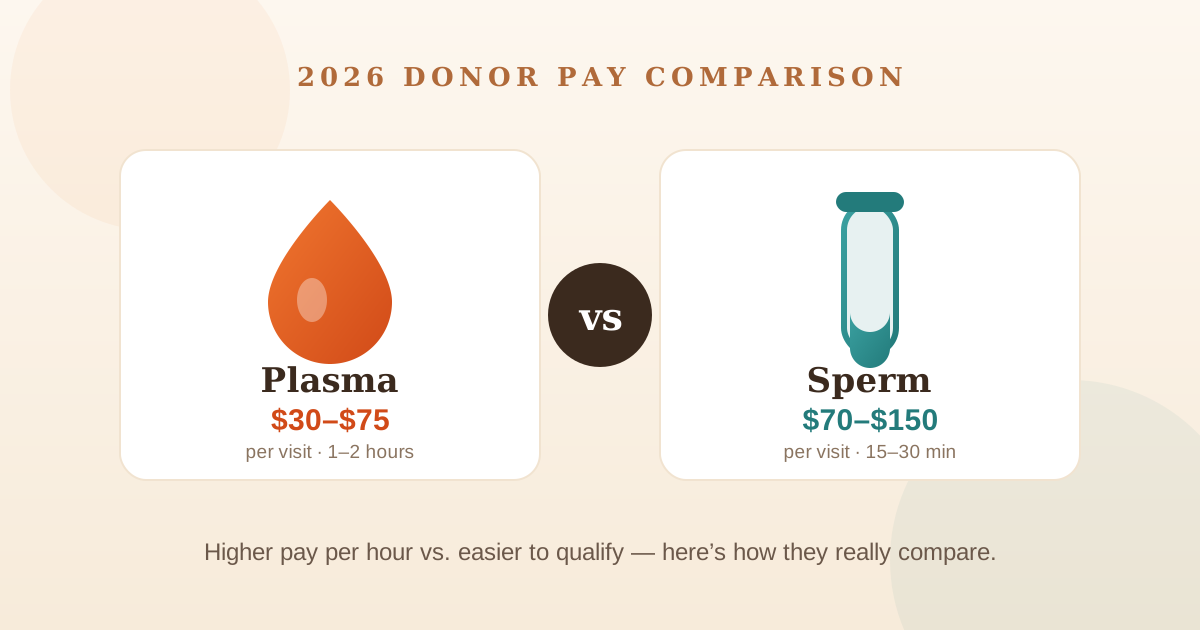
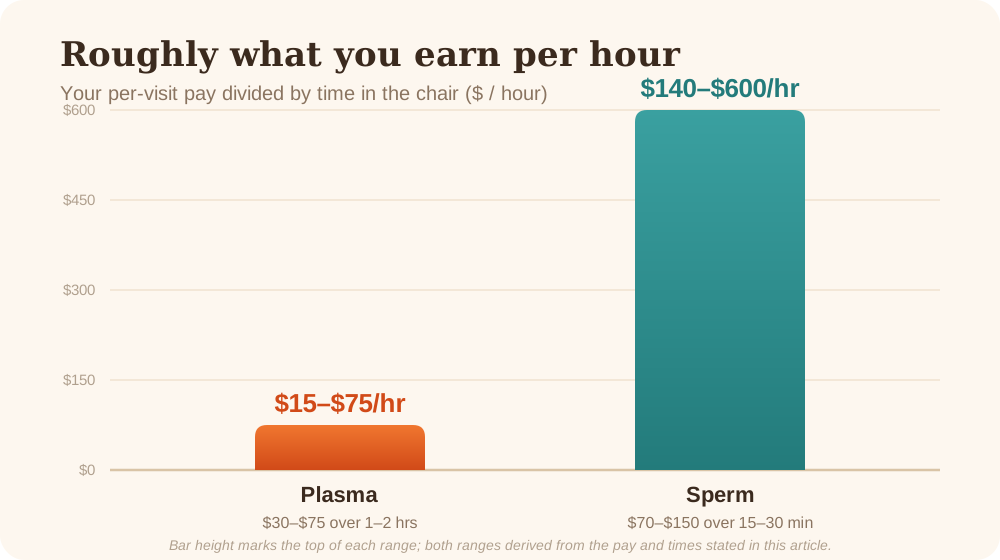
Plasma donation pays $30–$75 per visit at most major centers (CSL Plasma, BioLife, Octapharma, Grifols), with each visit taking about 1–2 hours. Committed donors who go twice a week typically earn $400–$1,100 per month, depending on weight tier, location, and promotions.
Sperm donation pays $70–$150 per visit, and the actual appointment usually takes only 15–30 minutes. Donors who commit to 1–3 visits per week report earning $1,000–$2,500 per month — with exceptional cases reaching $3,000–$4,000.
On a pure dollars-per-hour basis, sperm donation wins by a wide margin. But there's a massive catch.
The Catch: Getting Accepted Is Extremely Hard
Here's where the two paths diverge dramatically.
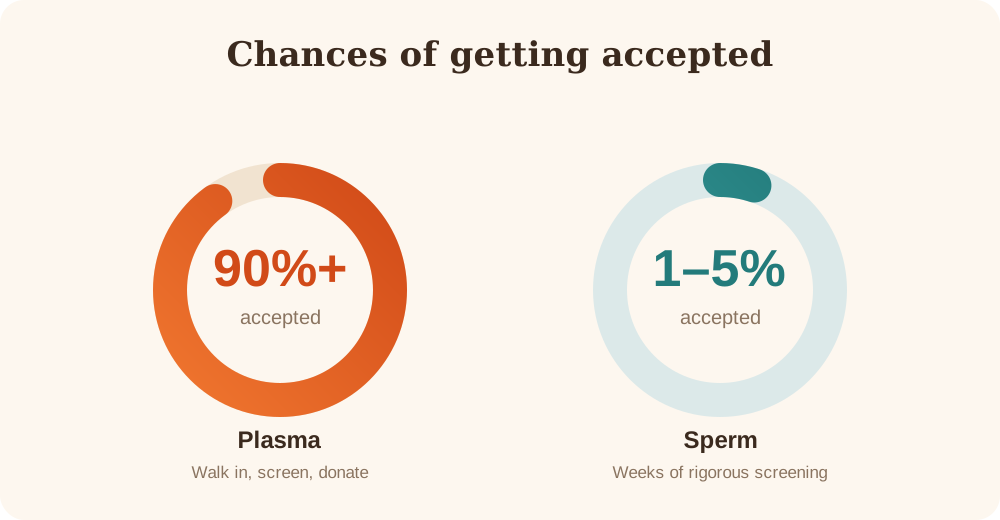
Plasma donation has a very high acceptance rate. If you're between 18 and 65, weigh at least 110 pounds, and pass a basic health screening, you're almost certainly in. You can walk into a center today and donate tomorrow.
Sperm donation is a completely different story. Most sperm banks accept fewer than 5% of applicants. The screening process is extensive and can take weeks. Typical requirements include:
- Age: 18–39 (some banks cap at 34)
- Height: Many banks have a minimum, often 5'8" or taller
- Education: A college degree is preferred, and Ivy League graduates command premium rates
- Health: Comprehensive genetic screening for 400+ conditions, full STI panel, semen analysis, physical exam, and psychological evaluation
- Commitment: You'll need to sign on for a 6–12 month donation contract with regular visits
- Lifestyle: No smoking, limited alcohol, maintaining a healthy BMI
You don't just walk in and donate. The process is selective, and the majority of men who apply are turned away — often because their sperm doesn't survive the freezing and thawing process well enough, regardless of how healthy they are.
Head-to-Head Comparison
| Factor | Plasma Donation | Sperm Donation |
|---|---|---|
| Pay per visit | $30–$75 | $70–$150 |
| Monthly earnings | $400–$1,100 | $1,000–$2,500 |
| First-time bonuses | $500–$1,500 | Varies by bank |
| Time per visit | 1–2 hours | 15–30 minutes |
| Visits per week | Up to 2 | 1–3 |
| Who's eligible | Men & women, 18–65 | Men only, 18–39 |
| Acceptance rate | ~90%+ | ~1–5% |
| Minimum commitment | None | 6–12 months |
| Physical side effects | Mild fatigue, bruising, dehydration | Abstinence periods required |
| Health screening | Basic physical | Comprehensive genetic + medical |
| Tax implications | Taxable income (1099-NEC at $600+) | Taxable income (1099 issued) |
| Privacy/legal considerations | No long-term implications | Potential offspring contact depending on donor type |
The "Known Donor" Wild Card
There's another sperm donation path that most people don't know about: known donation through an agency.
Instead of visiting a sperm bank twice a week for six months, you work directly with intended parents through a surrogacy or fertility agency. Compensation for known donors ranges from $5,000 to $50,000+ per single engagement, with a total time commitment of just 8–15 hours over a few weeks.
The trade-off? You're typically selected based on specific traits (education, appearance, ethnicity, health history), and the process involves legal contracts and independent counsel. Agencies often cover all travel expenses — flights, hotels, meals — so location doesn't matter.
This isn't realistic for most people, but if you meet the profile, it's worth knowing about.
Why Not Do Both?
Here's the thing: plasma and sperm donation aren't mutually exclusive. There's no medical rule preventing you from doing both, as long as you meet the eligibility requirements for each.
A realistic scenario for a qualifying male donor:
- Plasma: 2 donations/week → $600–$800/month
- Sperm: 1–2 donations/week → $800–$1,500/month
- Combined: $1,400–$2,300/month
That's a meaningful side income for something that takes roughly 4–6 hours per week total.
Which One Should You Choose?
Choose plasma if:
- You want to start earning immediately with no commitment
- You don't meet the strict age/health/education criteria for sperm donation
- You're a woman (sperm donation obviously isn't an option, but egg donation is — a topic for another article)
- You prefer flexibility — skip a week, come back whenever
Consider adding sperm donation if:
- You're a healthy male between 18 and 39
- You're willing to go through a rigorous screening process
- You can commit to a regular donation schedule for 6+ months
- You're comfortable with the legal and ethical implications of potentially having biological offspring
The Bottom Line
Sperm donation pays significantly more per hour than plasma donation, and the monthly ceiling is higher. But it's only available to a small fraction of men who apply, requires a long-term commitment, and comes with legal and personal considerations that plasma donation simply doesn't have.
For most people, plasma donation remains the most accessible and flexible way to earn extra money through donation. It's open to nearly everyone, requires no commitment, and you can find a center near you today.
But if you qualify for both? Stack them. Your body is producing these resources anyway — you might as well get compensated for it.
Already donating plasma? Keep going — and if you think you might qualify for sperm donation too, it's worth applying. The pay is higher, the time commitment per visit is shorter, and you can do both at the same time. Browse a directory of 44+ US sperm banks, compare compensation by bank, and apply online — all in one place.
Find a Sperm Bank Near You →Not ready to leave plasma behind? Find the highest-paying plasma center near you →
Find Plasma Centers Near You
Compare donor-reported pay rates at plasma centers in your city
Find centers near you
Compare real prices from donors at plasma centers in your area.