In This Guide
Grifols is one of the largest plasma companies in the country, and it also owns two brands you have probably seen, Biomat USA and Talecris Plasma Resources. Since they all run on the same playbook, we pulled 94 real pay reports across all three to show what you can actually expect to earn.
Here is the full breakdown, including the one quirk that makes Grifols pay different from a place like BioLife.
How much does Grifols pay for plasma?
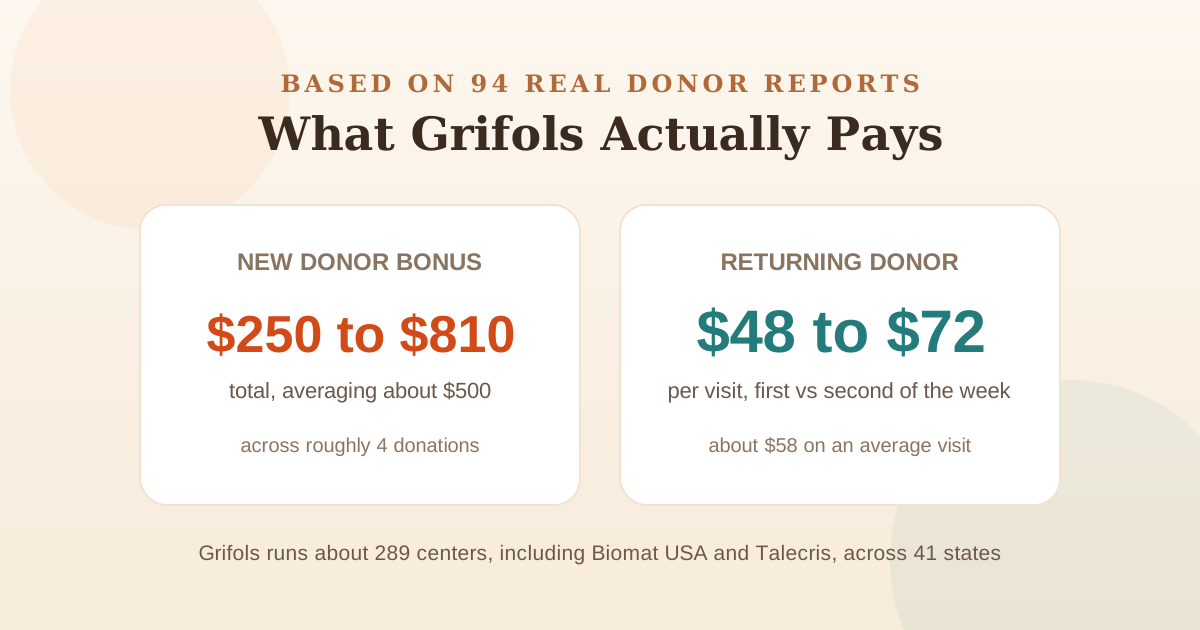
Based on our donor reports, new donors at Grifols earn a total bonus of roughly $250 to $810 across their first month, averaging around $500. Once you are a returning donor, you earn about $48 on your first visit of the week and about $72 on your second, which works out to roughly $58 on a typical visit.
The quirk worth knowing is that Grifols-branded centers pay by the volume of plasma you give, which is tied to your weight. Biomat USA and Talecris, on the other hand, pay a flat rate. One nice bonus across all three is speed, since donors reported visits often running under an hour once they are in the routine.
You can look up what Grifols pays near you to see what donors in your city are reporting, because the exact number moves around a lot by location.
What would Grifols pay you?
These are national numbers, and pay changes a lot from city to city. Enter your ZIP code and weight in our free plasma donation calculator to see Grifols pay at the center closest to you, based on real donor reports.
Calculate my Grifols payThe Grifols new donor bonus
New donor pay at Grifols swings more than most, from around $250 on the low end to $810 on the high end, with a median near $400. The first several donations, usually about 4, pay the higher new donor rate, and after that you shift to the regular returning rate for the rest of the month.
Two things to keep in mind before you start:
- You will need to set up a DonorHub account, which is the Grifols donor portal, before you can book your first appointment.
- Grifols new donor bonuses have come down over the years, so do not count on the old sky-high offers. If maxing out your first-month pay is the goal, it is worth comparing against CSL Plasma and BioLife too.
Grifols returning donor pay
Like most big centers, Grifols pays you more for your second visit of the week, so the trick is to donate twice.
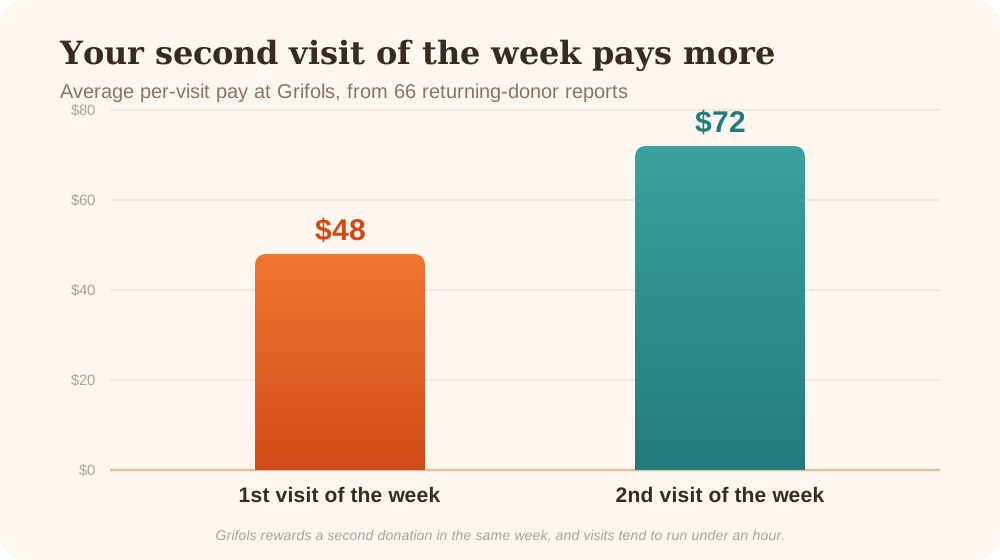
In our data, the first visit of the week averaged about $48 and the second averaged about $72. Across all returning visits the average was around $58, and the highest single payout reported was $100. On a normal two-visit week, that puts you near $120 combined.
How Grifols, Biomat USA, and Talecris differ
This is where it pays to know which brand you are walking into.
Grifols-branded centers use a volume-based pay structure. The more plasma you can safely give, which comes down to your weight, the higher your tier and the more you earn per visit. Biomat USA and Talecris keep it simple and pay a flat rate no matter your weight.
What that means for you is straightforward. If you are on the heavier side, a Grifols-branded center can pay you more per visit. If you are on the lighter side, a flat-rate Biomat USA or Talecris center might treat you better. Our per-tier sample was small, so we are not putting exact tier numbers on a chart here, but the pattern lines up with how these centers describe their own pay.
Referrals and rewards
Grifols keeps the extras light:
- Buddy Bonus. You can earn around $50 for each friend you refer who completes their qualifying donations. That is a middle-of-the-road referral bonus compared to the rest of the industry.
- No points program. Unlike CSL's iGive points, Grifols does not run a loyalty points program. What you get instead is DonorHub, which lets you schedule visits and knock out your health questionnaire ahead of time to save a few minutes.
Is donating at Grifols worth it?
Grifols is a solid, no-drama option, especially if you can commit to two visits a week and you are on the heavier side where the volume-based pay works in your favor. The faster visits are a genuine plus if your time is tight.
Where it is less exciting is the new donor bonus, which has softened over the years and can start fairly low depending on your city. If your main goal is a big first-month payday, compare your local Grifols against CSL and BioLife before you commit.
Find out what Grifols pays near you
Pay is local, so the number that matters most is the one at your center. You can search plasma centers near you to compare donor-reported Grifols pay against other brands, or browse the Grifols company page for a full list of locations.
Want a personal estimate instead of an average? Our plasma donation calculator puts Grifols side by side with every other plasma company near you, using your ZIP code and weight and the most recent donor reports in your area.
Donated at a Grifols, Biomat USA, or Talecris center recently? Take a minute to report what you were paid. It makes this data sharper for the next donor.
Find Grifols Centers Near You
Compare real donor-reported pay at Grifols locations across 12 cities
Find centers near you
Compare real prices from donors at plasma centers in your area.
Frequently Asked Questions
How much does Grifols pay for plasma?
New donors earn a bonus of roughly $250 to $810 (averaging about $500) across their first month, and returning donors earn about $48 on their first visit of the week and $72 on their second, or roughly $58 on an average visit. Those figures come from 94 real donor reports across Grifols, Biomat USA, and Talecris centers.
How much is the Grifols new donor bonus?
Reports put the total new donor bonus anywhere from $250 to $810, with a median near $400. The first handful of donations (usually about 4) pay the higher new donor rate. The exact amount varies a lot by city and has come down over the years.
Does Grifols pay by weight?
Grifols centers pay by the volume of plasma you give, which is tied to your weight, so heavier donors reach higher pay tiers. Biomat USA and Talecris, which Grifols also owns, pay a flat rate instead.
How much does Grifols pay per donation?
Returning donors averaged about $58 per visit, with the first visit of the week near $48 and the second near $72. The highest single payout reported was $100.
Are Biomat USA and Talecris the same as Grifols?
Yes. Both are owned by Grifols. The main difference is that Biomat USA and Talecris pay a fixed rate, while Grifols-branded centers pay based on plasma volume.
How long does a Grifols donation take?
Grifols visits tend to run a bit faster than some big centers, with many donors reporting under an hour once they are in the routine.